Language


Views: 896 Author: 李玉石 Publish Time: 2026-03-09 Origin: Site
Brushless motors have become widely popular mainly because they are far better than traditional brushed motors in terms of efficiency, lifespan, control and safety. Coupled with lower costs, policy support and the popularity of lithium batteries, they have finally become the mainstream.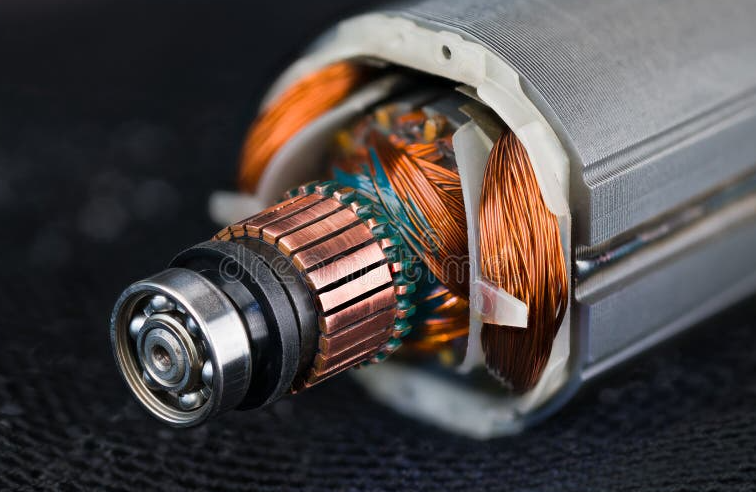

Brushless motor Brushed motor
I. Core Performance Advantages
1. Extremely high efficiency, saving power and money. Brushless motors: efficiency over 90%, 15–30 percentage points higher than brushed motors. Brushed motors: due to carbon brush friction and electric sparks, the efficiency is only 60–75%, with a large amount of electric energy wasted as heat. Result: with the same battery or electricity cost, brushless devices have longer battery life and lower power expenses.
2. Long service life and maintenance-free. Brushless motors have no carbon brush wear, with a service life of more than 20,000 hours, 3–5 times that of brushed motors, and require almost no maintenance. Brushed motors need carbon brush replacement every 500–2000 hours and also produce carbon dust, pollution and failures, resulting in more durable equipment and greatly reduced maintenance costs.
3. Quiet, low interference, and safer. Brushless motors have no friction noise (usually < 50dB), no electric sparks, and low electromagnetic interference. Brushed motors produce loud friction noise from carbon brushes (>70dB), electric sparks easily interfere with precision circuits, and pose fire risks in flammable environments. Result: quieter, more reliable, and safer.
4. Precise control, fast response, and high power density. Wide speed control range (above 1:50), millisecond-level response, and support for FOC vector control. Smaller size and lighter weight at the same power, suitable for compact scenarios such as drones, robots, and electric tools. High speed limit (up to 100,000 rpm), far exceeding that of brushed motors.
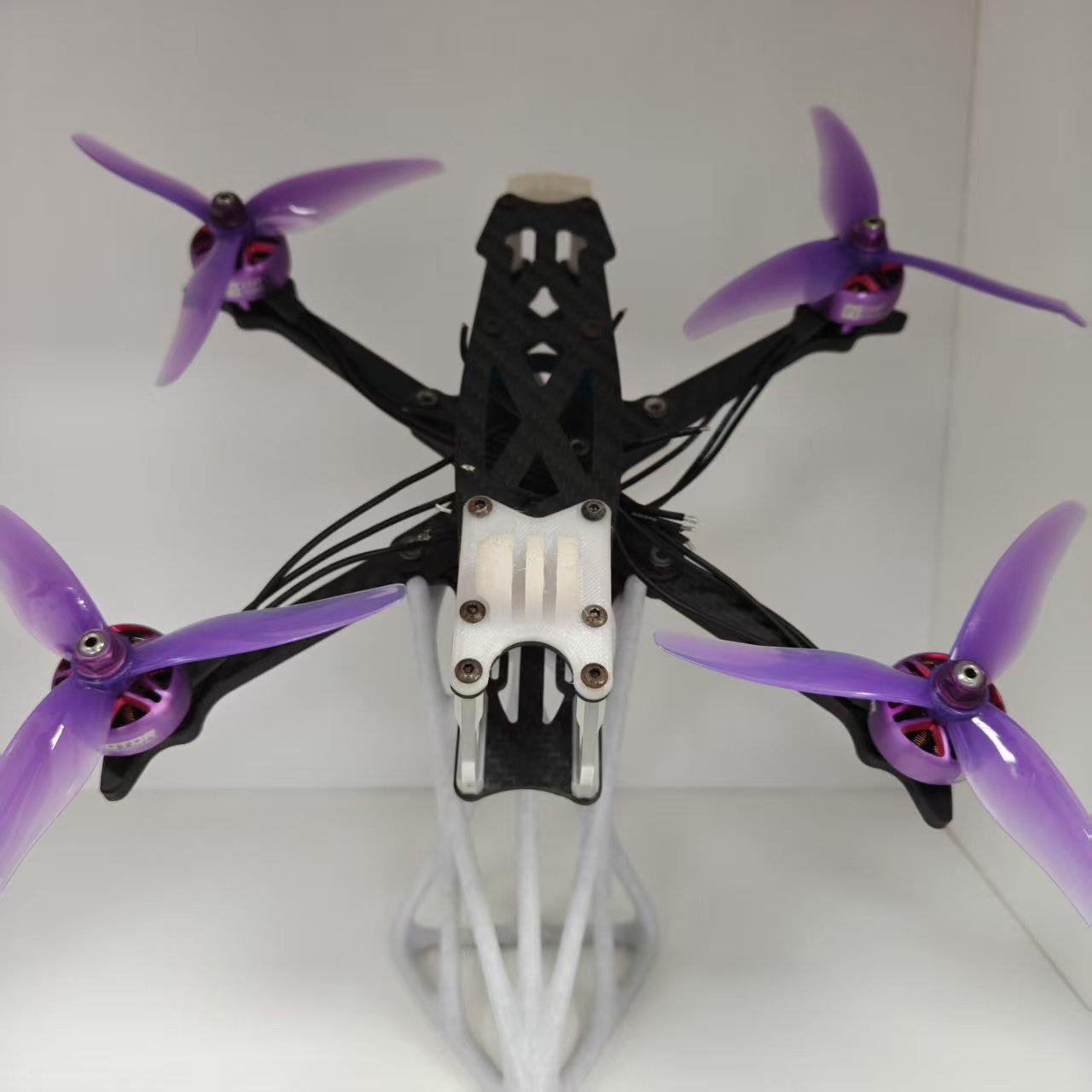
2.FPV Why Drones Must Use Brushless Motors
1. Brushed motors overheat and crash within minutes. Brushed motors use carbon brush friction for commutation; they heat up and drain power extremely fast at high speeds. Drones require high speed, high torque, and long hovering time, so brushed motors will simply overheat and fail. Brushless motors are frictionless with high efficiency of 85%–90%, doubling the flight time with the same battery.
2. Drones need ultra-fast response, and brushed motors are too slow. The flight controller adjusts speed hundreds of times per second; brushed motors have mechanical delay and cannot maintain stability. Brushless motors use electronic commutation with millisecond-level response, keeping the drone stable without shaking or drifting.
3. Lifespan differs by more than 10 times. Brushed motors wear out carbon brushes in dozens of hours, while brushless motors can last hundreds to thousands of hours under normal use. Drone motors run under high load daily, so using brushed motors means constant repairs.
4. Brushless motors have superior power density. At the same weight, brushless motors deliver several times more power. Drones need to be light yet powerful, and only brushless motors can achieve this.


